
Member Spotlight • Mar 2026
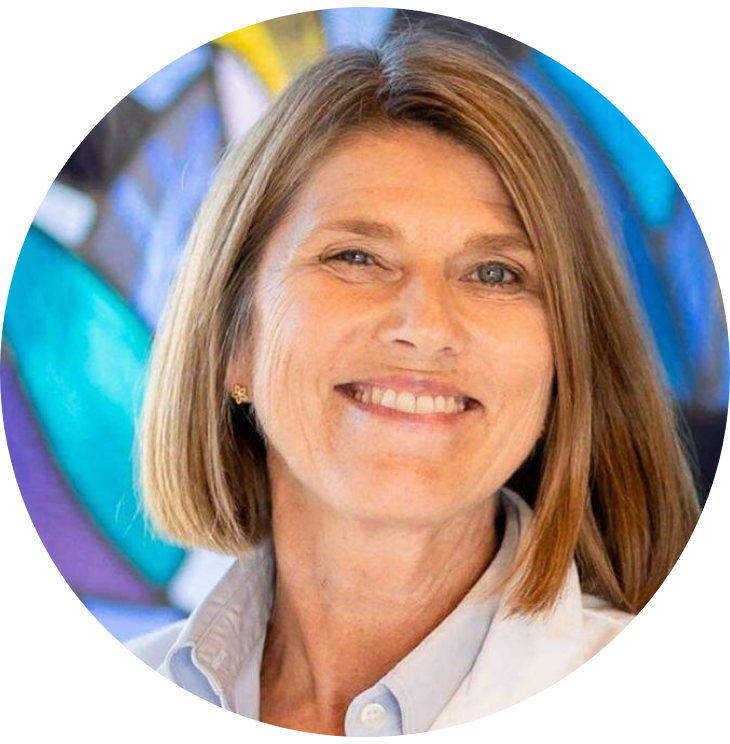
Location: Oslo, Norway
Institution: University of Oslo and Oslo University Hospital
Role: Professor of Obstetrics and Gynecology; Head of Research
ISSHP Role: Vice President
About Anne Cathrine (Annetine) Staff
Anne Cathrine (Annetine) Staff is a clinician scientist based in Oslo, Norway, whose work sits at the intersection of obstetrics, cardiovascular health, and placental biology. As a Professor at the University of Oslo and Head of Research at Oslo University Hospital, she has spent decades advancing translational research on hypertensive disorders of pregnancy, particularly preeclampsia, and their long term implications for maternal health.
Her research has contributed to a growing understanding of how placental dysfunction during pregnancy is essential not only for early- and late-onset preeclampsia, but that it also links to adverse cardiovascular outcomes later in life, helping to bridge obstetrics and long-term women’s health.
With more than 350 peer-reviewed publications and extensive international collaborations, she continues to lead multidisciplinary efforts that connect basic science, clinical care, and global maternal health equity.
Research Focus
Translational. Cardiovascular. Placenta
What are you currently working on, and what questions excite you most?
At the moment, Staff and her collaborators are studying fetal microchimerism, the presence of fetal cells that remain in the mother’s body after pregnancy, and how these cells may influence a woman’s long-term cardiovascular health.
Her team is particularly interested in understanding why pregnancy complications such as preeclampsia are linked to increased cardiovascular disease later in life. The central question is whether these fetal origin cells are protective in some contexts and harmful in others.
“Do these cells matter? Why are they sometimes protective for disease, and why are they sometimes promoting disease?”
This current work builds on decades of research from her group, including the development of a large pregnancy biobank and studies on placental function and maternal health.
How did you first become interested in hypertension in pregnancy?
Rather than a single defining moment, Staff describes her path as driven by curiosity and challenge. Preeclampsia, she notes, remains a major global threat to maternal health. While maternal deaths have been largely eliminated in Norway, this is not the case globally.
“This is a disease that has a toll on later health as well… it is much more than hypertension, it is a systemic disease.”
Her motivation comes from both the scientific complexity of the condition and its real-world impact, especially in low-resource settings. The combination of intellectual challenge and global relevance has shaped her career.
How has the field evolved during your career?
Staff points to several key shifts:
- A move toward more evidence-based research and guidelines
- Greater understanding of the placenta–cardiovascular connection
- Increased attention to patient voice and postpartum care
- Recognition that no single treatment will solve preeclampsia
She emphasizes that maternal health outcomes are deeply tied to access to care:
“Most maternal deaths happen because of low access to good health care.”
The field, she notes, has also become more transparent about what is still unknown, an important step toward progress.
What discoveries give you the most hope for the future of maternal health?
For Staff, the most promising advances lie in understanding and improving placental function. However, she is clear that scientific innovation alone is not enough:
“Perhaps innovation is to understand that with poverty, you will have more deaths.”
While new therapies and technologies are important, she highlights that improving socioeconomic conditions and access to basic care may have the greatest global impact.
What are the biggest unanswered questions in hypertensive disorders of pregnancy?
A central challenge is understanding the mechanisms linking pregnancy complications to long-term disease.
She also stresses the importance of aligning global efforts across organizations like WHO, FIGO, and ISSHP to ensure consistent, evidence-based care worldwide.
What does being part of ISSHP mean to you?
For Staff, ISSHP has been both an intellectual and collaborative home.
“It has given me the opportunity to get to know a lot of nice people… and to start new projects at each meeting.”
Coming from a smaller country, she values the international network and exchange of ideas. ISSHP provides:
- A space for collaboration
- Exposure for early-career researchers
- A platform for developing global guidelines
She also highlights its growing global inclusivity and impact.
Advice for young clinicians and researchers?
Staff encourages young researchers to follow their curiosity rather than pursue research for credentials alone.
“Be driven by what you want to know.”
She emphasizes that the field of preeclampsia offers a uniquely rich scientific landscape, from molecular biology to public health, and the opportunity to make a meaningful clinical impact.
What continues to motivate you?
What keeps her engaged is the combination of unanswered questions and collaboration.
“There are still so many questions… and we can actually collaborate and make better research.”
She also draws energy from working with younger researchers and building teams that prioritize shared discovery over competition.
Outside of work…
Outside of research, Staff enjoys outdoor activities, particularly skiing, biking, and hiking with her family.
“I probably have 10 different ski types…”
She also enjoys traveling and communicating in multiple languages, reflecting her international background and perspective.
